
Canteens & Plates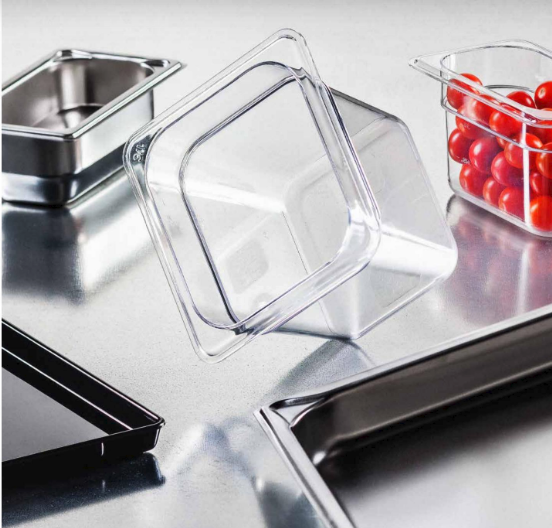
We have canteen systems from several different suppliers for the restaurant and catering market, ranging from canteens, lids, trays and grids in 18/10 stainless steel, aluminum sheets, as well as canteens in porcelain, polycarbonate plastic and polypropylene plastic.
Canteens are needed in just about every type of restaurant, from the smallest neighborhood eatery to the largest commercial kitchen - everyone needs restaurant canteens.
From cooking to serving food and salads in the buffet trolley or for deliveries and storing food in the fridge and freezer.
Canteens are needed in just about every type of restaurant, from the smallest neighborhood eatery to the largest commercial kitchen - everyone needs restaurant canteens.
From cooking to serving food and salads in the buffet trolley or for deliveries and storing food in the fridge and freezer.
A combination of restaurant canteens in different materials allows for the separation of equipment according to current food temperatures.
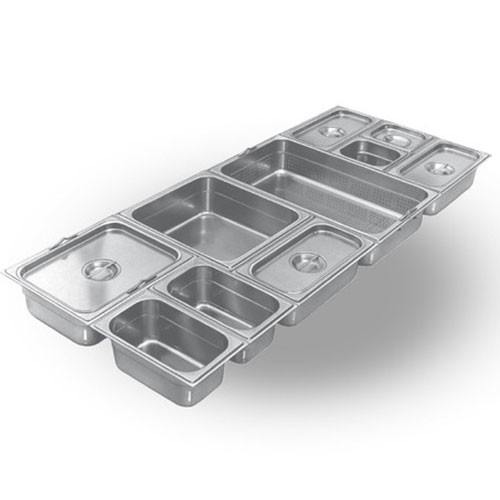
The canteen systems for the restaurant and catering market have over 250 different parts of canteens, lids, trays and grilles in stainless steel 18/10 steel, aluminum plates, as well as canteens in polycarbonate plastic and polypropylene plastic.
The restaurant canteens are made in high quality, with reinforced corners to reduce "dog ears" and edge damage, which gives a longer life to the canteen, in addition, the canteen stays nicer longer in serving and thus provides better economy in the kitchen. All restaurant canteens are manufactured according to EN631-1 Gastronorm standard.
The ESS-NORM® canteens are made of high-quality, stainless 18/10 steel, electrolyte-polished to a surface finish that meets high hygienic requirements
• Reinforced corners
• Perforated holes with a diameter of 4 mm
• Folding handles
• Stackable
Advantages and disadvantages of different materials
Stainless steel canteens provide the opportunity to go directly from freezing temperature to oven or steam cooking, which makes them suitable for all businesses, from finer dinner restaurants to central kitchens for e.g. schools and hospitals. Stainless steel is resistant to scratches and jacks from metal cutlery.
The thicker steel quality is the best choice for larger kitchens with intensive operations. A smaller kitchen may prefer the canteens in a slightly thinner quality. Higher quality is often preferable, but some advantages and disadvantages should be considered before buying:
Advantages, thicker steel: Stronger, Smoother heating, Greater resistance to dents, notches and skew
Disadvantages, thicker steel: More expensive, Heavier, Takes longer to heat up
Plastic canteens offer an economical alternative for storing food. Polycarbonate canteens are splinter-free and resist acid and oil in the food. They are available in transparent and in black and can withstand temperatures from -40 ° C to 100 ° C. Melamine canteens are suitable for storing and storing cold food.
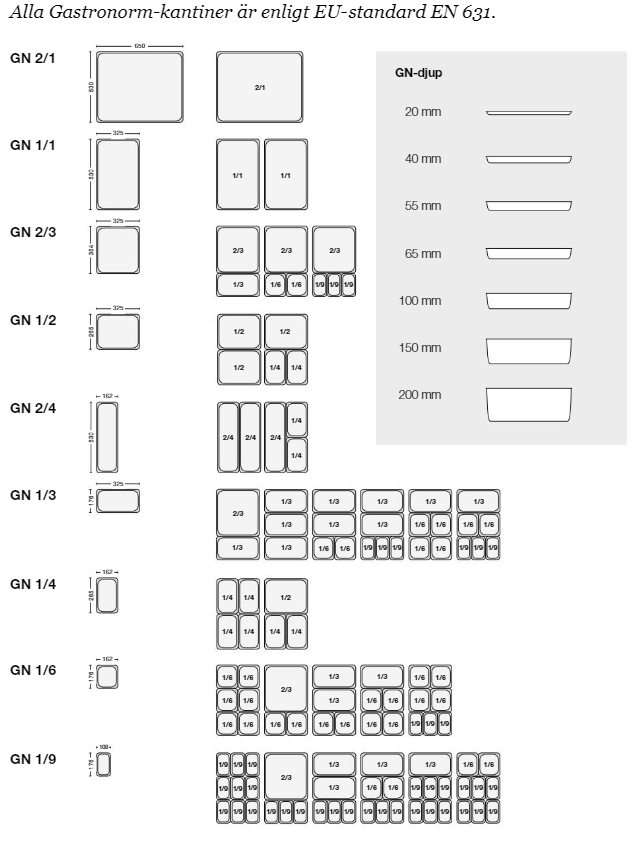
The restaurant canteens are made in high quality, with reinforced corners to reduce "dog ears" and edge damage, which gives a longer life to the canteen, in addition, the canteen stays nicer longer in serving and thus provides better economy in the kitchen. All restaurant canteens are manufactured according to EN631-1 Gastronorm standard.
The ESS-NORM® canteens are made of high-quality, stainless 18/10 steel, electrolyte-polished to a surface finish that meets high hygienic requirements
• Reinforced corners
• Perforated holes with a diameter of 4 mm
• Folding handles
• Stackable
Advantages and disadvantages of different materials
Stainless steel canteens provide the opportunity to go directly from freezing temperature to oven or steam cooking, which makes them suitable for all businesses, from finer dinner restaurants to central kitchens for e.g. schools and hospitals. Stainless steel is resistant to scratches and jacks from metal cutlery.
The thicker steel quality is the best choice for larger kitchens with intensive operations. A smaller kitchen may prefer the canteens in a slightly thinner quality. Higher quality is often preferable, but some advantages and disadvantages should be considered before buying:
Advantages, thicker steel: Stronger, Smoother heating, Greater resistance to dents, notches and skew
Disadvantages, thicker steel: More expensive, Heavier, Takes longer to heat up
Plastic canteens offer an economical alternative for storing food. Polycarbonate canteens are splinter-free and resist acid and oil in the food. They are available in transparent and in black and can withstand temperatures from -40 ° C to 100 ° C. Melamine canteens are suitable for storing and storing cold food.